
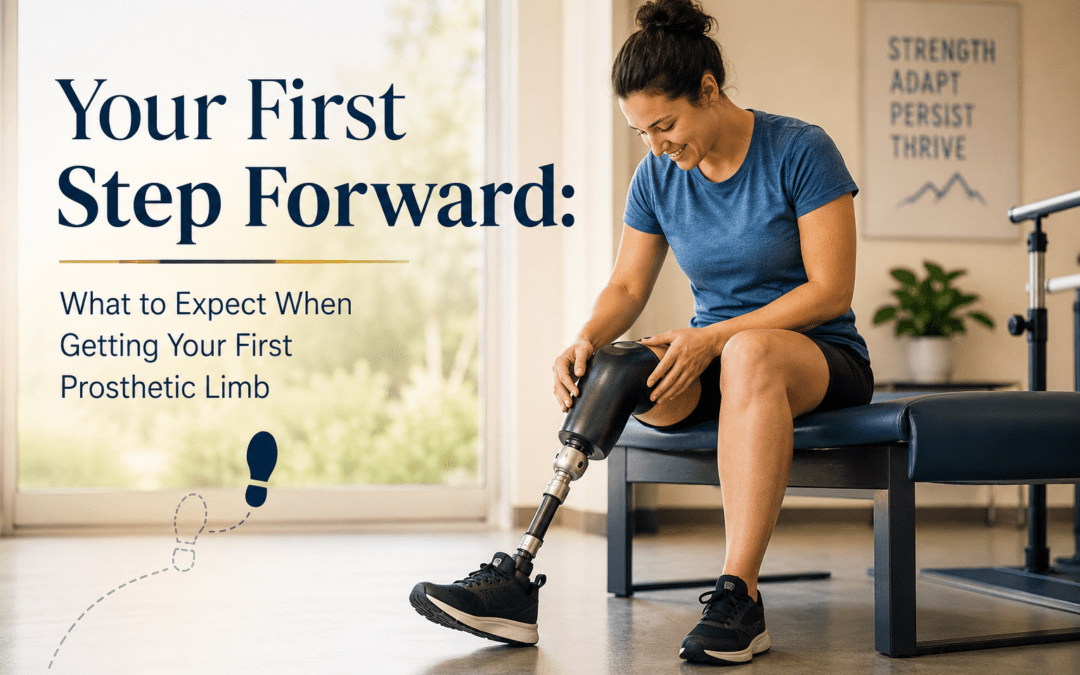
Your First Step Forward: What to Expect When Getting Your First Prosthetic Limb
Receiving your first prosthetic limb is a major milestone in the recovery journey after limb loss. While the experience can feel overwhelming at first, modern prosthetic technology and personalized rehabilitation have made it possible for people to regain independence, confidence, and mobility. Whether you are preparing for your first prosthetic leg or first prosthetic arm, understanding the process ahead can help reduce uncertainty and make the transition smoother.
The more you understand about getting your first prosthetic limb, the more empowered you’ll feel during the journey. This guide will walk you through the prosthetic limb fitting process, recovery expectations, emotional adjustments, and practical strategies for adapting successfully—so you can move forward with confidence and clarity.
Confidence Through Preparation
Life changes quickly after limb loss. Everyday routines that once felt automatic can suddenly become unfamiliar and emotionally exhausting. It’s normal to experience frustration, fear, or even uncertainty during the early stages of recovery. However, it’s equally important to remember that recovery is not about returning to who you were before—it’s about discovering new strength and new possibilities.
For many people, first time wearing a prosthetic limb brings a mixture of emotions. There may be excitement about regaining mobility, but also nervousness about comfort, balance, or appearance. The good news is that the body and mind are incredibly adaptable. Through the prosthetic rehabilitation process, individuals gradually build confidence, improve movement, and regain independence in daily life.
The transition is not instant, and the prosthetic limb adjustment period takes patience. But with proper support, therapy, and encouragement, many individuals discover they are capable of far more than they initially imagined.
“Your first prosthetic limb is more than a device—it’s the beginning of a new chapter filled with strength, resilience, and possibility.”
In the next sections, you’ll learn what to expect with a prosthetic limb, how the custom prosthetic limb fitting works, what happens during therapy and rehabilitation, and practical tips for adapting to a new prosthetic limb. We’ll also discuss emotional recovery and realistic expectations for long-term success.
A Brief Look Back: The Evolution of Prosthetic Care
Did you know that prosthetic limbs have existed for thousands of years? Ancient civilizations used basic wooden or metal limbs to restore limited function after limb loss. Today, prosthetic technology has advanced dramatically, offering lightweight materials, customizable designs, and even computerized joints that mimic natural movement. Modern innovations have transformed the experience of getting your first prosthetic limb, making rehabilitation more comfortable, effective, and life-changing than ever before.
A Beginner’s Roadmap to Adjusting to Your Prosthetic Limb
Adjusting to a prosthetic limb takes time, commitment, and support. Every person’s journey is different, but understanding the process ahead can make the transition easier and less intimidating. Below are important steps every new prosthetic user should know as they begin adapting to their new lifestyle.
Step 1: Understand the Prosthetic Limb Fitting Process
The prosthetic limb fitting process begins with a detailed evaluation of your physical condition, lifestyle, and goals. During the prosthetic limb fitting appointment explained, your prosthetist will take measurements and create a customized design to ensure comfort and functionality. The fit may require adjustments over time as your body changes during healing. Patience during this phase is essential because proper fit directly impacts mobility and long-term comfort.
Step 2: Prepare for the Adjustment Period
One of the most common questions is: how long does it take to adjust to a prosthetic limb? The answer varies for every individual, but most people need weeks or months to fully adapt. During the prosthetic limb adjustment period, your muscles, skin, and balance gradually adapt to the new device. Some soreness or discomfort may occur initially, but regular communication with your care team helps address issues early and improve comfort.
Step 3: Commit to Prosthetic Training and Therapy
Successful mobility depends heavily on prosthetic training and therapy. Physical therapy after getting a prosthetic limb focuses on strengthening muscles, improving balance, and teaching proper movement techniques. Therapists also help users safely navigate stairs, uneven surfaces, and daily activities. Consistent practice builds confidence and accelerates recovery.
Step 4: Prioritize Emotional Recovery
The emotional adjustment to limb loss and prosthetics is just as important as physical healing. It’s completely normal to experience emotional ups and downs during recovery. Support from family, friends, counselors, or peer groups can make a major difference in maintaining motivation and confidence. Healing emotionally allows you to fully embrace your new beginning.
Step 5: Follow Proper Prosthetic Care Tips
Daily maintenance is important for both comfort and durability. Following simple prosthetic care tips like cleaning the socket, checking your skin regularly, and keeping appointments for adjustments can prevent complications. Proper care also improves hygiene, reduces irritation, and helps extend the life of your prosthetic device.
Step 6: Focus on Progress, Not Perfection
Recovery is a gradual journey, and every milestone matters. Some days will feel easier than others, especially during prosthetic limb recovery. Celebrate small improvements like walking farther, completing daily tasks independently, or feeling more comfortable wearing your device. Progress builds confidence and reminds you how far you’ve come.
Start Your Journey Toward Independence Today
At Fit-Well Prosthetic & Orthotic Center, we understand that receiving your first prosthetic limb is a life-changing experience. Our compassionate team is committed to guiding you through every step—from your first fitting to rehabilitation and long-term success.
If you’re looking for expert care, personalized solutions, and support you can trust, contact us today. Let us help you take the next step toward confidence, mobility, and independence.